Every child deserves a safe and healthy place to learn. Yet for many children attending schools in countries that don’t have access to clean water, something as basic as access to a clean toilet or a place to wash their hands cannot be taken for granted.
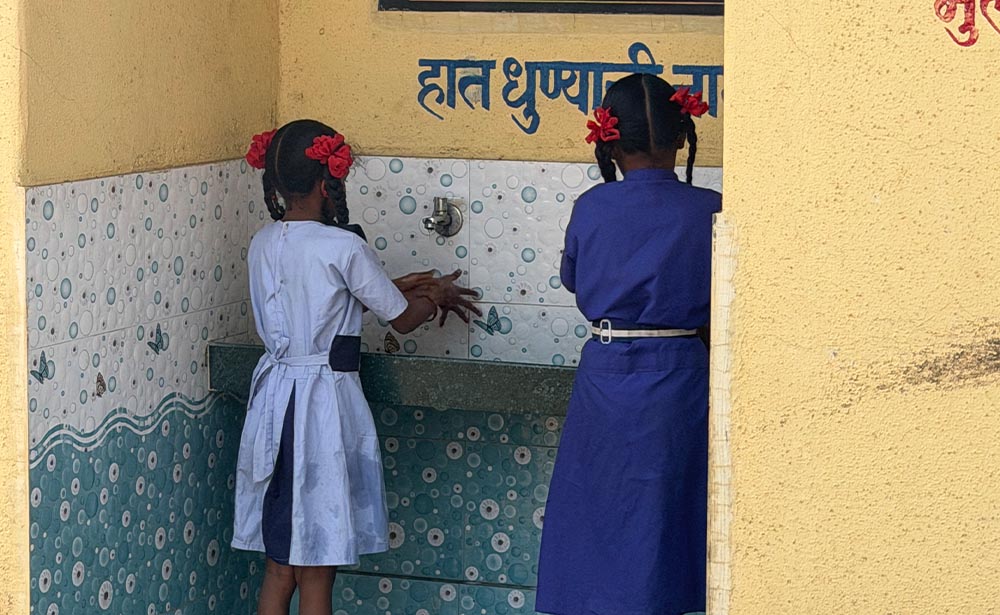
In some government-aided schools in rural India, sanitation facilities are inadequate, deteriorated, or simply unavailable. Some schools also lack running water and appropriate handwashing facilities. As a result, children may have to use open areas instead of toilets and may be unable to wash their hands before eating or after playing.
These conditions affect more than comfort. Safe sanitation and good hygiene are important to children’s health, dignity, and ability to participate fully in school.
Through its School Sanitation Program, PRASAD Chikitsa works with local schools to help create cleaner, safer, and more supportive learning environments for children.
Why School Sanitation Matters
When we think about what children need to succeed in school, classrooms, teachers, books, and educational materials may come to mind first. But the physical environment in which children learn is also important.
A school without adequate toilets or handwashing facilities presents challenges throughout the school day.
Children need access to toilets that are safe, clean, private, and appropriate for their needs. They also need water and places to wash their hands as part of maintaining good hygiene.
In the communities served by PRASAD Chikitsa, some schools lack these essential facilities. Existing toilets may be dilapidated, there may be insufficient access to running water, or sanitation facilities may not exist at all. Handwashing facilities can also be inadequate or unavailable.
Improving school sanitation helps address these fundamental needs while creating an environment where children can focus more fully on learning.
Sanitation, Health, and Education Are Connected
Poor sanitation does not exist in isolation. It intersects with health, education, and the overall well-being of children.
Without appropriate handwashing facilities, for example, students may not be able to wash their hands before eating or after outdoor activities. Providing proper facilities gives schools an important foundation for encouraging healthy hygiene practices.
Sanitation can also affect whether children feel comfortable attending school throughout the day.
This is particularly important for girls as they grow older. Privacy, hygienic toilets, and access to clean water become increasingly important during adolescence and menstruation. Without appropriate facilities, girls may miss school and, in some circumstances, may be at greater risk of leaving school altogether.
For this reason, school sanitation is much more than constructing a building. It is about helping create an environment that supports children’s health, dignity, education, and opportunity.
Building Safe and Hygienic Toilets for Schoolchildren
PRASAD Chikitsa recognized the need for improved school sanitation and has already helped construct toilets in local schools.
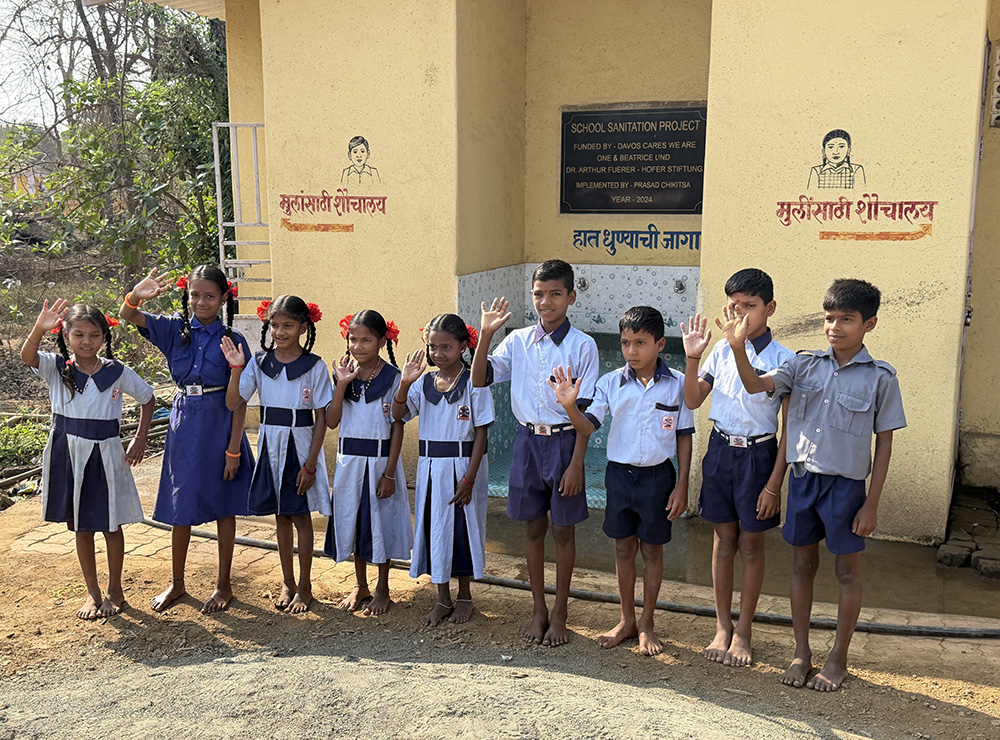
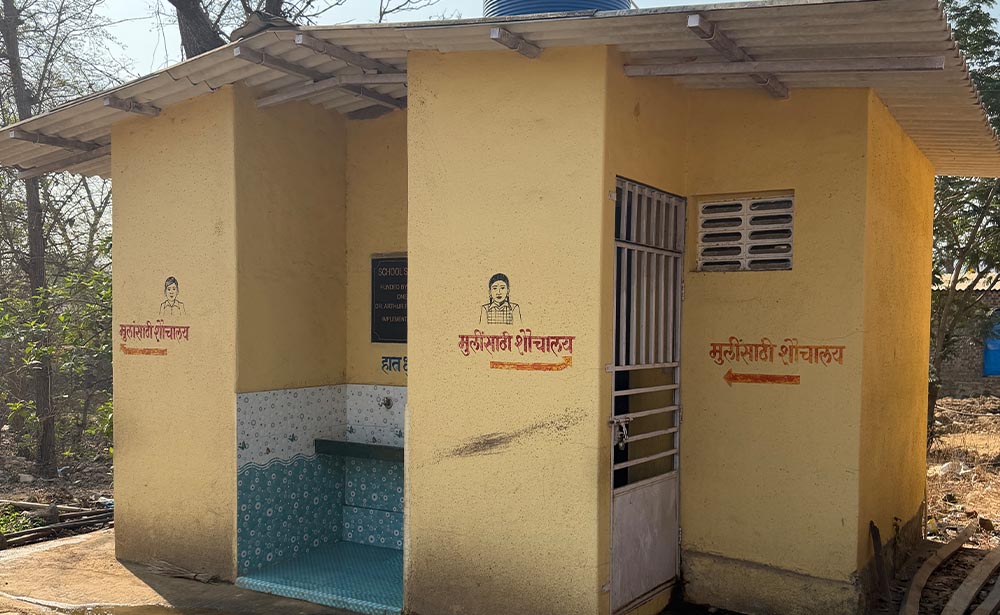
The facilities include separate toilets for girls and boys, an important consideration for children’s privacy and dignity.
Each school project is expected to benefit approximately 200 students and 10 teachers, meaning that improved sanitation can have an impact on an entire school community.
From Identifying a School to Creating a Sustainable Facility
Building a school toilet requires careful planning and implementation.
The process begins by identifying a school where the need is significant. Once a school has been selected, plans are reviewed and approved before construction begins.
Construction includes excavation and foundation work, followed by masonry, plastering, plumbing, installation of sanitary fixtures, doors, windows or ventilation, and painting. Once construction is complete, the facility is cleaned and formally handed over to the school.
But construction is not the final step.
An important component of the School Sanitation Program is helping teachers and students understand how to care for and maintain the new facilities. Training includes future care and maintenance as well as handwashing and hygiene practices.
This helps schools take an active role in protecting the investment and maintaining a healthy environment for current and future students.
Creating Change That Goes Beyond Infrastructure
A toilet may seem like a simple piece of infrastructure. For a child attending a school without adequate sanitation, however, it can make an important difference in everyday life.
It means having a private place to use the bathroom.
It means having a cleaner school environment.
It means being able to practice better hygiene.
For adolescent girls, it can mean having the privacy and sanitation facilities they need to attend school more comfortably during menstruation.
For teachers, appropriate facilities can help them promote hygiene practices and maintain a healthier school environment.
And for the wider community, improving school sanitation demonstrates that children’s health, dignity, and education are priorities.
PRASAD Chikitsa’s approach recognizes that meaningful development often requires addressing interconnected needs. Improving sanitation can support health and education at the same time, helping create conditions in which children have a better opportunity to thrive.
Helping Schools Build a Healthier Future
The School Sanitation Program is one example of how practical improvements can have a broader impact on a community.
By working with schools to improve sanitation infrastructure, PRASAD Chikitsa is addressing an immediate need while supporting healthier habits and more welcoming learning environments.
The work does not end when construction is finished. Involving teachers and students in hygiene, handwashing, care, and maintenance helps create shared responsibility for keeping the facilities clean and functional.
Access to safe sanitation should not be an obstacle to a child’s education. A clean toilet, safe water access, and a place to wash one’s hands are basic necessities that can help children attend school with greater dignity and participate in an environment that supports their health and learning.
Through partnership with local schools and communities, PRASAD Chikitsa is helping turn these necessities into lasting improvements.
Frequently Asked Questions About School Sanitation
Why is sanitation important in schools?
School sanitation provides children with access to safe and hygienic toilet facilities during the school day. Appropriate toilets and handwashing facilities support personal hygiene, dignity, and a healthier school environment. They are an important part of creating conditions in which children can learn and participate comfortably at school.
What challenges do schools without adequate sanitation face?
Some schools served by PRASAD Chikitsa have deteriorated or nonexistent toilet facilities, limited running water, and inadequate handwashing facilities. In these circumstances, children may have to use open areas and may not have an appropriate place to wash their hands before eating or after playing.
How can school sanitation affect girls’ education?
Safe, private, and hygienic toilets become especially important for girls as they enter adolescence. During menstruation, inadequate bathroom facilities and lack of clean water can make attending school difficult. Appropriate sanitation facilities can help create a school environment where girls have greater privacy and can continue participating in their education throughout the month.
What does PRASAD Chikitsa’s School Sanitation Program provide?
The program constructs hygienic school toilets, including separate facilities for girls and boys. Projects involve site identification, construction planning, foundation and masonry work, plumbing, installation of sanitary fixtures, painting, cleaning, and handover to the school. Teachers and students also receive guidance on facility care, maintenance, handwashing, and hygiene.
How many children benefit from a school sanitation project?
Each school sanitation project is expected to serve approximately 200 underserved children and 10 teachers. The exact number may vary by school.
Does the School Sanitation Program provide separate toilets for girls and boys?
Yes. The sanitation facilities constructed through the program include separate facilities for girls and boys, helping provide greater privacy and appropriate facilities for students.
What happens after the school toilets are built?
After construction, cleaning, and handover, teachers and students are involved in training related to future care and maintenance of the facilities as well as handwashing and hygiene. This helps encourage ongoing responsibility for keeping the sanitation facilities clean and usable.
How does school sanitation support children’s health and education?
School sanitation addresses a basic need that affects children’s daily experience at school. Clean toilets and handwashing facilities support better hygiene, while safe and private facilities can help children, particularly adolescent girls, feel more comfortable remaining at school. By improving the learning environment, sanitation initiatives can support both health and continued participation in education.
How can donors support school sanitation in rural India?
Support for PRASAD helps make community health initiatives such as school sanitation possible. By investing in essential infrastructure and practical solutions identified in collaboration with local communities, donors can help create safer, healthier environments where children can learn and grow. Donate today to support school sanitation and clean water projects in India.
Safe sanitation is a basic need. For a child, it can also be an important part of a healthier, more dignified school experience.